Engineered wood flooring: what it is, how long it lasts and what to ask before you buy
Real wood on top, a stable core beneath. How thick the wood should be, how the floor is fixed, which finish to choose and what a UAE summer does to it.
By the Ajusteur team5 minute read
What is engineered wood flooring?
Each board is a sandwich. On top is a layer of real hardwood, between 2 and 6 mm thick. Beneath it is a core of plywood or other wood layers, and the whole board is usually 10 to 20 mm thick. The grain you see is real, so no two boards match, and it ages the way wood does.
It is not laminate and it is not a click floor with a wood print. Those show a picture of wood. If you are weighing the two, read click floor, real wood or tiles.
Source: Wood and Beyond: Engineered wood flooring or LVT? No nonsense explanation
Which wood is on top?
The species on top decides the colour and the grain you live with. Here are four hardwoods as bare samples, before any finish. Oak is bold and open. Ash is pale with strong stripes. Maple is light and even. Cherry is warm and reddish.
A finish changes how each one looks, and a stain can change the colour completely. So choose from a finished sample, in your own light. Ask us which species we can bring to your visit.
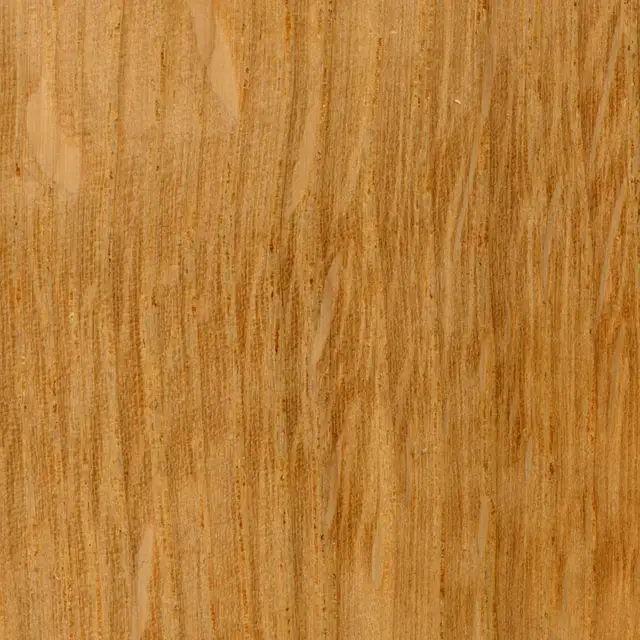 OakGolden brown, with a bold, open grain.
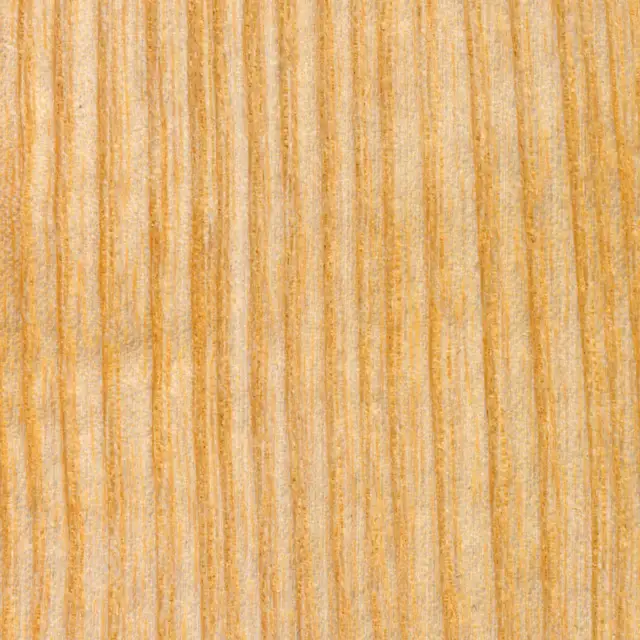 AshPale, with strong, straight stripes.
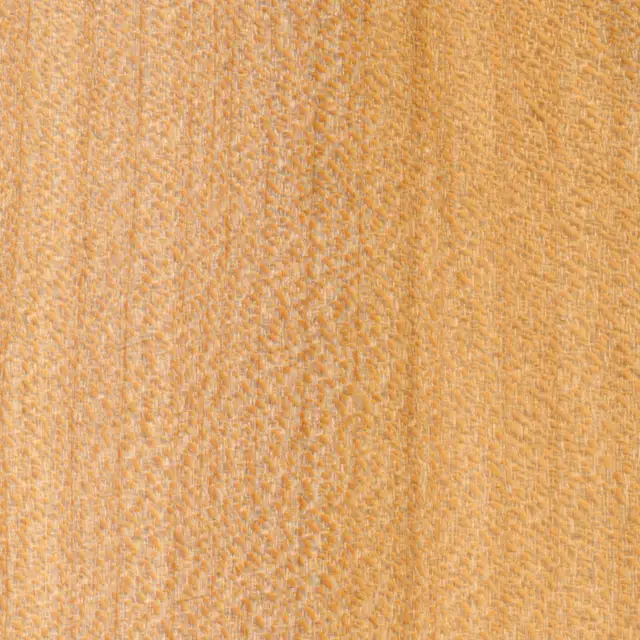 MapleLight and even, with a fine grain.
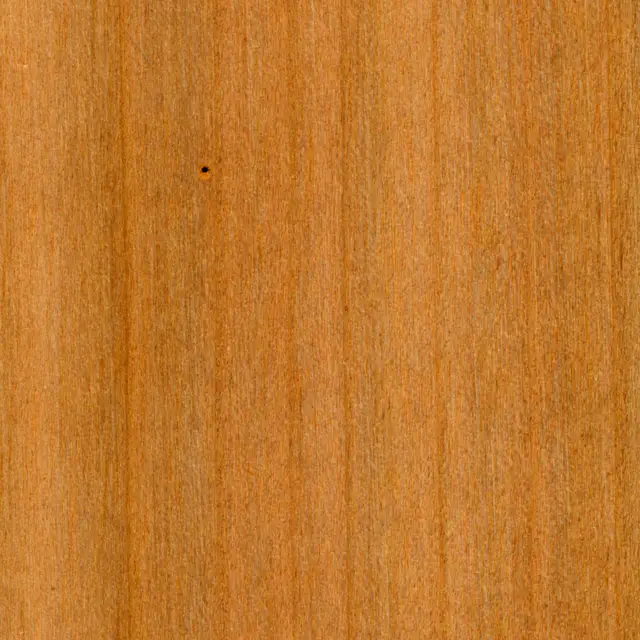 CherryWarm and reddish, with a quiet grain.

How thick should the top layer be?
This is the number to ask for first. The top layer, also called the wear layer, is the wood that can be sanded away when the floor is tired. Once it is gone, the floor is finished. A thicker layer costs more and buys you more lives.
Source: Hurst Hardwoods: Thick wear layer, how often an engineered floor can be sanded
How is it fixed to the floor?
In most UAE homes the floor beneath is concrete or screed, so engineered wood is glued down. Trade guidance allows engineered boards to be glued to concrete as long as the concrete is dry enough. That is the point of the moisture test, which comes before anything else. A slab that is still giving off moisture is sealed first, or the floor waits.
Flatness comes next. One long standing trade guide asks for no more than about 5 mm out of flat over 3 metres for a glued floor. High spots are ground down and low spots are filled. Then the adhesive goes on with the notched trowel its maker specifies, and the fitter lifts a board now and then to check its whole back is in contact.
This is why real wood usually means lifting what is there, and why it takes longer than a floor that clicks in over your tiles.
Source: Journal of Light Construction: Gluing wood flooring to concrete, Dave Northup (July 2008)
Oil or lacquer?
Most boards arrive finished, in one of two ways. Lacquer is a coating that sits on the surface. It resists scratches and spills well and is the easiest to keep clean. Oil soaks into the wood. It gives a warmer, more natural look and shows the grain.
The trade off is upkeep and repair. An oiled floor needs fresh oil from time to time, but a small damaged patch can be repaired on its own. A lacquered floor asks for very little, until it is damaged. Then it often needs the finish redone over a wider area. A busy family home usually suits lacquer. A home that wants the look of bare timber usually suits oil.
Source: The Flooring Masters: Best finish for engineered wood flooring, oil or lacquer
What does a UAE summer do to it?
Wood moves with the air. Flooring suppliers ask for 35% to 55% relative humidity, kept for the life of the floor. Below 35%, the top layer can shrink, crack and come away from its core. In damp air, boards swell.
A home that is cooled all year stays inside that range without much effort. A home that is closed for weeks in summer with the cooling off does not. If you travel for long stretches, leave the cooling running at a higher setting, or choose a floor that does not mind.
Source: Hurst Hardwoods: Hardwood flooring, moisture control and acclimation guidelines
Where does it not belong?
Bathrooms, laundry rooms and balconies. The top layer is real hardwood, and it is not suited to wet rooms. Kitchens are a judgement call: spills wiped up soon are fine, a slow leak under a dishwasher is not. Many homes use engineered wood in the living room and bedrooms, and tiles where water lives.
Source: Wood and Beyond: Engineered wood flooring or LVT? No nonsense explanation
Seven questions to ask before you buy
Ask them of anyone selling you a wood floor, us included.
How we can help
Tell us the rooms and send photos. We bring wood samples to your home, check the floor you have, measure every room and send a written quote that names the wood, the top layer, the finish and the preparation, each on its own line. See our floors.
Quick questions
Is engineered wood real wood?
Yes. The top layer is real hardwood, 2 to 6 mm thick, on a core of wood layers. What you see and walk on is timber.
How many times can engineered wood be sanded?
It depends on the top layer. As a guide, 2 mm allows 1 to 2 sandings, 3 mm allows 2 to 3, and 4 mm allows 3 to 4. A 1 mm layer can only be recoated.
Can engineered wood go over my existing tiles?
Sometimes. It depends on the tiles, the height at your doors and how the boards are fixed. We check at the visit. Often the old floor comes up so the wood can be glued to a flat, dry base.
Does engineered wood suit the UAE climate?
Yes, in rooms that are cooled all year. Wood needs steady air, between 35% and 55% relative humidity. A home left closed without cooling for weeks is hard on it.
Sources
- Wood and Beyond: Engineered wood flooring or LVT? No nonsense explanation
- Hurst Hardwoods: Thick wear layer, how often an engineered floor can be sanded
- Journal of Light Construction: Gluing wood flooring to concrete, Dave Northup (July 2008)
- The Flooring Masters: Best finish for engineered wood flooring, oil or lacquer
- Hurst Hardwoods: Hardwood flooring, moisture control and acclimation guidelines